
A Genuine Wildlife Volunteering Experience at Ashia Cheetah Conservation
Updated: Jun 22
Following Athena's Journey
Athena arrived in Abelana private Game Reserve in northern Limpopo, adjacent to Kruger National Park, during the first half of 2024. Shortly afterwards, she mated with one of the resident males and later gave birth to a litter of four cubs on 26 November 2024.
At first glance, her story may not appear unusual. Yet Athena was born in captivity and raised by her mother before being wilded and released by Ashia Cheetah Conservation.
Today, she is a successful hunter and mother living in a Big Five reserve.
What makes this achievement particularly remarkable is the environment in which she lives. The reserve is far removed from the open plains commonly associated with cheetahs. Dense bush, thorny vegetation, and limited visibility create challenging hunting conditions. Cheetahs are renowned for their explosive acceleration and their ability to reach extraordinary speeds over short distances, advantages that are best suited to open terrain where prey can be pursued across wide expanses.
Despite these constraints, Athena has adapted exceptionally well. She has become a highly capable hunter and has demonstrated the skills needed to survive in an environment that often appears better suited to ambush predators than to the world's fastest land mammal.

Monitoring a First-Time Mother
Athena became pregnant shortly after arriving in the reserve and delivered her first litter on 26 November 2024.

From the moment the cubs were born, an intensive monitoring programme began by LEO Africa (the volunteering program in charge of wildlife monitoring in Abelana Game Reserve). For several months, Athena and her cubs were monitored around the clock to maximise their chances of survival in a reserve inhabited by lions, leopards, spotted hyenas, and other potential threats.
As the cubs grew stronger, monitoring gradually became less intensive, although regular observations continued throughout the following months. Mornings and afternoons were often spent locating the family and ensuring that they remained safe from snares, predators, and other dangers commonly encountered in the reserve.
Athena deserves much of the credit for what followed.
She regularly moved her cubs from one den site to another, sometimes changing location twice within a single day. She hunted for herself and her young, receiving supplementary feeding only on a handful of occasions when injury or a prolonged period without a successful hunt justified additional support.
Raising cubs in a Big Five reserve is never straightforward. Every movement involves risk. Every hunt carries consequences. Every den site must be carefully selected.
Yet Athena proved to be an attentive and capable mother.
As of today, three of the four cubs have survived, two females and one male.
Following the family's progress over several months provided a rare opportunity to witness the daily challenges faced by a rewilded cheetah raising cubs in a predator-rich environment.
The video below provides an overview of the monitoring undertaken by a member of the Foundation during the months spent with LEO Africa, offering a closer look at the daily challenges faced by a rewilded cheetah raising a young family in a Big Five reserve.
A Question Worth Exploring
Watching Athena's success raised an important question.
How does a cheetah born in captivity become such an effective hunter in the wild?
More importantly, what preparation, training, and management are required to give a captive-born cheetah the best possible chance of succeeding after release?
The search for answers led us to the organisation that played a key role in Athena's journey: Ashia Cheetah Conservation.
Discovering Ashia CHEETAH CONSERVATION
Ashia was founded in 2016 by Chantal Rischard and Stephen Illenberger. Originally from the Luxemburg and Germany, both founders share a long-standing passion for wildlife conservation and sought to create a practical way to contribute to the future of one of Africa's most iconic predators: the cheetah.

One of the first things that distinguishes Ashia from many wildlife volunteering programmes in Africa is its operating model. The organisation's conservation activities are not dependent on volunteer participation, allowing projects and priorities to be driven by conservation needs rather than tourism requirements.
Volunteers remain an important part of the organisation, primarily through the educational opportunities provided by the programme. Their contribution also enables members of the operational team to dedicate more time to specialised projects once the daily husbandry tasks, such as feeding resident animals and maintaining enclosures, have been completed.
Key Milestones
Over the past decade, Ashia's work has evolved considerably.

Ashia initially focused much of its work on cheetahs originating from reputable CITES registered breeding facilities. Today, an increasing proportion of its efforts are directed towards the rescue, rehabilitation, and release of wild cheetahs, as well as initiating, funding and coordinating applicable research projects.
Why Introduce Captive-born Individuals To Fenced Populations?
In South Africa, wildlife reserves and national parks are fenced to limit human movement and create protected areas for all wildlife. On the downside, these safe spaces lead to isolated populations in limited habitats only supporting limited numbers, especially when it comes to predators like the cheetah. Their natural movements and access to new mating partners are blocked, and although individuals are artificially swapped between protected areas to ensure a healthy and viable genetic pool, scientific research showed a few years back that a reinforcement through new, genetically distinct individuals had become essential for the survival of the cheetah.
By developing a “phased” wilding approach, Ashia started in 2018 to supplement the various isolated populations with captive born and subsequently wilded cheetah carrying new genetics to support a vulnerable animal in danger of becoming extinct in the wild.
Why Cheetah Conservation Matters
The overall aim of Ashia is to contribute to the long-term survival of the cheetah. Its work focuses primarily on the Southern African cheetah (Acinonyx jubatus jubatus), although its activities are not limited to South Africa.
To understand the importance of this work, it is necessary to examine the current status of the species.
According to the International Union for Conservation of Nature (IUCN), the cheetah is classified as Vulnerable. The most recent population assessments estimate that approximately 6,500 cheetahs remain in the wild.
The species is divided into five recognised subspecies:
Northwest African cheetah (Acinonyx jubatus hecki) – Critically Endangered, fewer than 300 individuals
Northeast African cheetah (Acinonyx jubatus soemmeringii) – Endangered, estimated population between 250 and 600 individuals
East African cheetah (Acinonyx jubatus raineyi) – Vulnerable, approximately 2,100 hundred individuals
Southern African cheetah (Acinonyx jubatus jubatus) – Vulnerable, approximately 3,500 individuals
Asiatic cheetah (Acinonyx jubatus venaticus) – Critically Endangered, estimated population of under 20 individuals
These subspecies represent distinct genetic populations and are not intended to be interbred.
Threats Facing the Species
Cheetahs face a combination of pressures across their range, including:
Habitat loss and fragmentation
Human-wildlife conflict
Reduced genetic diversity in isolated populations
Competition with larger predators
Poaching, snaring, and the illegal wildlife trade
High cub mortality rates
The decline of the species is perhaps most striking when viewed geographically.
Once distributed across vast areas of Africa and Asia, cheetahs are now confined to less than nine per cent of their historical range. Approximately seventy-seven per cent of their remaining distribution occurs outside formally protected areas, placing many populations in direct contact with human activities and increasing the challenges associated with their conservation.

Understanding the Various Cheetah Populations in South Africa
In South Africa, there are four distinct cheetah populations:
the captive population,
the metapopulation in fenced private game reserves & national parks,
semi-protected populations in Kruger National Park (KNP) and Kgalagadi Transfrontier Park (KTP), and
the free-roaming population persisting on private and commercial farmlands along the borders with Namibia, Botswana, and Zimbabwe.
For conservationists, maintaining healthy populations means ensuring that these populations do not become genetically isolated.
This can be achieved through several approaches depending on the specific population:
Maintaining wildlife corridors that allow natural movement between areas
Translocating/swapping animals when natural dispersal is not possible
Preventing long-term genetic isolation
Creating and maintaining connected habitats wherever feasible
Without these measures, isolated populations can suffer from reduced genetic diversity, increasing their vulnerability over time.
The Cheetah Metapopulation Project
Recognising these challenges, the Endangered Wildlife Trust established the Cheetah Metapopulation Project (CMP) in 2011. This highly successful project across more than 70 fenced reserves and national parks in southern Africa is one of the most important concepts in modern cheetah conservation.
A metapopulation consists of separate populations of the same species living in different locations but remaining connected through artificial swaps of individual cheetahs between those populations to simulate natural gene flow. This exchange is essential for maintaining genetic diversity and preventing inbreeding risks associated with isolated populations.
The programme helps ensure that individual reserves do not become genetically isolated and that the broader cheetah population remains viable over the long term.
Learning from Earlier Challenges
The need for a coordinated approach became apparent following earlier cheetah reintroduction efforts.
Between 1999 and 2009, many cheetahs classified as damage-causing animals on farmlands were removed and introduced into smaller game reserves. Although these efforts helped establish new populations, several challenges emerged.
In many cases, little consideration was given to the genetic origin of the animals being moved. Some cheetahs originating from areas with few large predators were released into reserves with high predator densities. Certain reserves lacked adequate fencing, resulting in escapes and renewed conflict with neighbouring landowners.
Most importantly, many of these introductions took place without a long-term metapopulation strategy. As populations became isolated, the risk of inbreeding increased.
The Cheetah Metapopulation Project was developed in part to address these challenges, creating a more coordinated framework for managing South Africa's growing cheetah population and improving its long-term prospects.

The Genetic Value of Captive-born Cheetahs
The importance of carefully managed reintroductions was explored in a 2018 study funded by Ashia Cheetah Conservation entitled Simulated genetic efficacy of metapopulation management and conservation value of captive reintroductions in a rapidly declining felid (link).
The study modelled how the genetic diversity of South Africa's cheetah metapopulation might evolve under four different management scenarios:
No intervention.
Genetic exchange between free-roaming cheetahs and the managed metapopulation.
Translocations from a single approved captive facility
Translocations from multiple approved captive facilities into the metapopulation
The objective was to assess whether the Cheetah Metapopulation Project could maintain its genetic diversity over time and to identify which management interventions would provide the greatest conservation benefit.
The results demonstrated that carefully managed introductions from captive populations can play an important role in preserving genetic diversity.

In the study, Model 3 simulated the introduction of ten genetically suitable cheetahs per generation from a single captive facility. Model 4 simulated the introduction of ten individuals per generation from multiple captive facilities.
Both scenarios produced significantly better outcomes than a situation with no intervention. They also outperformed scenarios relying solely on natural connectivity between free-roaming cheetahs and the managed metapopulation.
Understanding the Results
One of the key measures used in the study was unbiased heterozygosity.
In simple terms, heterozygosity is a measure of genetic diversity within a population. Values range from zero to one, with higher values indicating greater genetic variation.
Maintaining genetic diversity is essential for long-term population health. Populations with greater genetic variation are generally better equipped to adapt to environmental changes, disease pressures, and other challenges.
The study showed that introducing a relatively small number of genetically suitable individuals into the metapopulation could have a measurable positive effect on genetic diversity over time.
The findings provide scientific support for the role that carefully managed captive populations can play in broader conservation strategies when reintroductions are conducted responsibly and within a coordinated metapopulation framework.
Scientific modelling suggests that carefully selected captive-born cheetahs can contribute positively to the genetic health of the wider metapopulation. The next question is therefore a practical one: how does a captive-born cheetah become a candidate for release in the first place?
How Are Cheetahs “Wilded” for ReleasE?
Athena's story raises an obvious question. How does a cheetah born in captivity become capable of surviving, hunting, reproducing, and raising cubs in the wild?
At Ashia, the rewilding process takes place in three distinct stages, each designed to prepare the animals for life in increasingly challenging environments.
Stage One: Captive Facility
The journey begins either with orphaned cubs rescued from the wild or captive-born sub-adults identified as suitable candidates for future release.
For wild-born orphans, intervention can be the difference between life and death. Young cubs that lose their mother rarely survive on their own, making rescue and rehabilitation an important tool for preserving valuable genetics within the wider cheetah metapopulation.
During their stay at Ashia, the cheetahs are managed in a way that seeks to replicate natural conditions as closely as possible. Their diet consists of game meat, supplemented when necessary to ensure appropriate calcium and vitamin intake. Fasting periods are incorporated into their feeding regime, reflecting the irregular feeding patterns experienced by wild cheetahs.
Physical fitness is also a key component of the programme. Regular exercise sessions using a lure system encourage the animals to run, helping maintain the speed, stamina, and muscle condition required for survival after release.
Stage Two: Pre-Release Areas
Once the cheetahs are physically mature, generally between eighteen and twenty-four months of age, they are transferred to pre-release areas.
These sites contain natural prey species but no large predators, creating an environment where young cheetahs can develop their hunting skills without the additional pressures found in fully wild ecosystems.
Ashia makes use of several dedicated pre-release facilities on different private game reserves that participate in this process. During this phase, conservation teams closely monitor collared animals, assessing and documenting their health, behaviour, and hunting ability.
The objective is simple: to ensure that each cheetah can consistently hunt and survive independently before being considered for release into a permanent reserve.
Stage Three: Release into a Permanent Reserve
The final stage is the release into a carefully selected reserve.
By this point, the cheetahs have demonstrated their ability to hunt and survive independently. They are then matched to suitable reserves according to genetic recommendations and broader metapopulation objectives.
Unlike the pre-release areas, these reserves usually contain the full range of ecological challenges that cheetahs encounter in the wild, including lions, leopards, spotted hyenas, and other competitors.
Here, the released cheetahs must learn to navigate predator interactions, establish territories, and ultimately contribute to the wider metapopulation through reproduction.
The selection of the receiving reserve is a critical part of the process. Ashia solely works with reserves who form part of the Cheetah Metapopulation Project as coordinated by the EWT.
This ensures that released animals continue to be tracked and that future offspring can contribute to the broader metapopulation through carefully managed translocations when appropriate.
Choosing the Right Reserve
Not every reserve is suitable for receiving cheetahs.
A detailed assessment framework is used to evaluate potential release sites and determine their conservation value.
The process considers numerous factors, including:
The genetic value of the individual cheetah.
The reserve's capacity to support additional animals / prey base.
The availability of veterinary support.
The presence of monitoring infrastructure.
Predator densities.
Long-term management commitments and financial strength.
Opportunities to strengthen the wider metapopulation.
The objective is not simply to release cheetahs, but to maximise their chances of long-term survival and reproductive success.

Results of the Programme
The effectiveness of any conservation programme is ultimately measured by its outcomes.
By 2026, Ashia's wilding efforts had produced significant results:
63 captive-born cheetahs or wild-born orphaned cubs have either been successfully (re)integrated into the wild or are progressing through the wilding process.
97 first generation cubs have resulted from released captive-born cheetah and wild born orphaned cubs, while a further 39 cubs have been born from these first generation offspring.
142 cheetah translocations had been conducted across Southern Africa.
Approximately 70% of cheetahs have survived longer than 12 months from release, and the average post release survival time is 25 months.
Additional indicators of success include:
57% of released individuals female cheetahs have successfully reproduced.
49% of first-generation offspring reached independence.
38% of second-generation offspring reached independence (over 90% of the SAn reserves being Big 5, second generation cubs were primarily translocated to homes with high predator density).
These figures are particularly significant because they reflect success beyond the initial release itself. The ultimate objective of (re)wilding is not merely survival, but the establishment of self-sustaining populations capable of reproducing and contributing to the long-term genetic health of the species.
Athena and her cubs are part of that larger story.
Applied Conservation Research
Although Ashia is best known for its Wilding & Release Program, its efforts extend beyond the practical conservation work. The organisation is initiating and funding applied conservation research aimed at improving the understanding and management of wild cheetah populations.
The Free-Roaming Cheetah Census (FRCC)
One of the most significant initiatives is the Free-Roaming Cheetah Census (FRCC). At the end of May 2026, the final report and its technical appendices were submitted to provincial environmental authorities, national conservation bodies, and regional IUCN officials.
Conducted between 2022 and 2025, the project was primarily funded, developed, and coordinated by Ashia Cheetah Conservation (ACC) in collaboration with Cheetah Outreach Trust (COT), and the University of Groningen in the Netherlands (RUG).
The census represents a multi-year effort to improve scientific knowledge of free-roaming cheetahs. This first-ever cross-country study delivered the most comprehensive and sobering assessment of wild free-roamers along SA’s northern borders, and has the potential to contribute to future conservation policy and management decisions.
The Objectives of the Free-Roaming Cheetah Census
The objectives of the project were to deliver answers to several key questions:
What is the most accurate estimate of the free-roaming cheetah population?
How do cheetahs use the landscape and which areas do they occupy?
What can genetic analyses reveal about population structure and connectivity?
What prey species are most important to free-roaming cheetahs?
To what extent do human-wildlife conflicts affect cheetah populations?
The Key Results of the Census
They are based on:
- 5.2 million camera‑trap images
- 299 farmer interviews
- 164 scat samples
The main outcomes of this Census are:
Only 83 adult free‑roaming cheetahs were identified on camera traps setup in the study area in South Africa.
This is 72% lower than previous national estimates and far below the ~300 individuals long assumed to exist outside protected areas.
A total of 119 individuals were identified, including cubs and subadults, but with high mortality and low cub survival, the future of these free roaming cheetahs remains uncertain.
20% of known adults died during the multi-year census period, mostly from human‑related causes such as shooting, snaring and vehicle collisions.
DNA analysis confirmed zero livestock in cheetah scat.
Over 52% of prey detected were small game species, challenging long‑held assumptions about livestock depredation.
Movement data shows increasing fragmentation. Region 1 (Northern Cape/NW) remains semi‑connected to Botswana, while Region 2 (NW/Limpopo) is becoming an isolated island population due to impermeable game fencing and dense human settlement.
Genetic results show the population is still connected, but only just.
The window to maintain gene flow is closing. Without intervention, long‑term isolation and inbreeding are inevitable.
Collecting such reliable data is essential for developing effective conservation strategies and ensuring that management decisions are based on current field evidence rather than assumptions.
Why This Research Matters
Accurate population estimates are fundamental to conservation planning.
More broadly, projects such as the Free-Roaming Cheetah Census demonstrate that effective conservation depends not only on protecting animals in the field, but also on collecting the scientific evidence needed to make informed decisions for the future of the species.

The Northwest and Central African Cheetah Study
Ashia's research efforts are not limited to Southern Africa.
The organisation also supported a PhD study focused on the Northwest African cheetah (Acinonyx jubatus hecki), one of the world's most threatened cheetah subspecies. The project was funded and managed by Ashia and conducted by a doctoral student from the University of Cape Town.
The objective was to establish more reliable population estimates and identify the principal threats facing this Critically Endangered subspecies across part of its remaining range.
Fieldwork was carried out in Benin and Chad using a combination of camera trapping, opportunistic live capture, and satellite collaring. The collars enabled researchers to monitor movements and better understand habitat use and ecology, while genetic samples were collected to confirm subspecies identification.
The scale of the effort was considerable. Researchers deployed a combined total of 297 camera stations and accumulated more than 15,000 camera trap nights.
The findings were equally alarming as those of the FRCC.
Population estimates suggested an approximately 80% decline compared with previous assessments, with only an estimated 70-100 individuals remaining.
Beyond the numbers themselves, the study highlighted the immense challenges involved in conducting conservation research in some of the world's most remote and unstable regions.
The project was ultimately brought to an earlier conclusion than originally planned due to increasingly difficult operational and security conditions. Several incidents raised serious concerns for the safety of the research teams, and the risks associated with continuing field operations were judged to be too high.
Although the study could not be completed as initially envisioned, the findings provide valuable insights into the status of this subspecies and reinforce the urgent need for conservation action across its remaining range.
The outlook for the Northwest African cheetah remains deeply concerning. With such small population numbers and continuing pressures on its habitat, its future will depend on sustained conservation efforts and increased scientific attention.

Conservation Through Research
Research plays an essential role in effective wildlife conservation.
Rewilding programmes, population management, habitat protection, and species recovery efforts all rely on accurate scientific information. Without reliable data, conservation decisions become increasingly difficult to prioritise and evaluate.
For this reason, Ashia continues to support and participate in a range of research initiatives alongside its practical conservation work. From monitoring free-roaming cheetahs in Southern Africa to investigating the status of some of the world's rarest cheetah populations, these projects contribute to a broader understanding of the challenges facing the species.
The combination of applied conservation and scientific research reflects a simple principle: protecting cheetahs requires not only action in the field, but also the knowledge needed to guide those actions effectively.
Wildlife Volunteering at Ashia
Volunteering at Ashia provides an opportunity to gain first-hand experience of cheetah conservation while becoming part of the daily operations of a working conservation centre.
Volunteers are fully integrated into the animal care team and participate in the day-to-day activities required to maintain high standards of animal welfare. These responsibilities include preparing food, feeding animals, cleaning enclosures, and assisting with a wide range of routine husbandry tasks.
Life at Ashia extends beyond direct animal care. As the centre operates within a working farm environment, volunteers may also contribute to maintenance activities such as removing invasive plants, cutting weeds, picking fruit, preparing enrichment items, and supporting general upkeep of the property.
For those considering the programme, a stay longer than one week is highly recommended. The first week is often spent becoming familiar with the routines, the animals, and the wider conservation objectives of the organisation. Additional time allows volunteers to gain a deeper understanding of the work, develop practical skills, and participate in a broader range of activities.
Depending on the projects taking place during their stay, volunteers may have opportunities to assist with camera trapping initiatives, observe veterinary procedures, prepare enrichment for resident animals, or contribute to other conservation-related activities. The longer the stay, the greater the likelihood of experiencing these additional aspects of Ashia's work.
Learning Through Participation
Volunteers are treated as members of the wider team.
Each day begins with a briefing and planning session, ensuring everyone understands the tasks and priorities ahead. Volunteers participate in animal meetings and regularly attend presentations covering cheetah conservation, animal welfare, ecology, and the practical challenges involved in managing a conservation programme.
Questions are encouraged and answered openly by the animal care team, creating an environment where learning forms an important part of the experience.
One aspect that quickly becomes apparent is the importance placed on animal welfare.
Ashia operates as a strict no-touch, no-petting facility. Volunteers do not walk cheetahs, hold cubs, or participate in interactions designed for photographs or entertainment. Interactions that could habituate animals to humans are deliberately avoided, even when such interactions might be popular with visitors or volunteers.
This approach reflects a broader philosophy throughout the organisation. Decisions are guided by what is considered best for the animals rather than what may be most entertaining or convenient for people.
Whether discussing feeding routines, enclosure management, veterinary interventions, enrichment activities, or future releases, the welfare of the animals remains the primary consideration.
For volunteers, this provides a valuable opportunity to observe conservation work as it is carried out behind the scenes, away from many of the misconceptions that can surround captive wildlife facilities.
The same philosophy extends to volunteers. Throughout the programme, support, patience, and availability from the team help create an environment where participants quickly feel included.
A Well-Balanced Experience
The programme is structured to balance work and personal time.
Volunteers receive two days off each week, providing opportunities to explore the surrounding region. Paarl itself offers numerous attractions, while Cape Town, located approximately one hour away, provides easy access to Table Mountain, the Cape Peninsula, the Cape of Good Hope, and many other destinations.
Several volunteering options are available, including:
Day volunteering opportunities.
Long-term volunteer placements.
Working holiday programmes.
Working Holidays
One aspect of Ashia's programme that stands out is the flexibility offered to remote workers or travellers wanting to experience a holiday with a purpose.
For individuals able to work remotely or transform their travel into an impactful journey, the centre provides an opportunity to combine professional commitments or downtime with participation in conservation activities.
Participants can remain fully engaged with their work responsibilities whilst joining animal care activities whenever their schedule permits. This approach allows working holiday guests to experience the realities of conservation work, attend educational sessions, become familiar with the resident animals, and gain insight into the organisation's operations without taking extended leave from their professional careers.
The combination of a conservation setting, reliable working environment, private upmarket accommodation and proximity to major tourism destinations makes this an attractive option for those seeking a different way to experience South Africa.

Schedule overview
To provide a better understanding of daily life at the centre, the diagram below summarises a typical day for members of the animal care team and volunteers. Although activities vary depending on operational priorities, veterinary requirements, translocations, and ongoing projects, the schedule provides a representative overview of the rhythm of life at Ashia.
A Typical Day at Ashia

Although daily responsibilities follow a relatively consistent structure, a number of weekly, monthly, and project-based activities add variety to the programme.
Recurring Tasks
Depending on the timing of a placement, volunteers may participate in activities such as:
Deep cleaning and maintenance of the meat preparation facility
Animal care and management meetings
Clicker training sessions and Body Condition Score (BCS) assessments
Weighing resident cheetahs
Inspecting electric fences
Cleaning and renewing fly and fat traps
Slaughter days, including the reception, processing, and preparation of antelope or zebra carcasses used for feeding
Occasional Activities
Additional opportunities may arise depending on operational requirements and ongoing projects:
Assisting with the preparation of identification kits
Participating in camera trapping projects
Designing and preparing enrichment activities for cheetahs and leopards
Observing or assisting during veterinary procedures when appropriate
Supporting cheetah rescues, transfers, or translocations
Contributing to specific conservation projects taking place during the volunteer's stay
The combination of routine responsibilities and less predictable activities ensures that no two weeks are exactly alike and provides volunteers with a broad understanding of the many components involved in carnivore conservation and animal care.

What Volunteers Learn
One of the strengths of the programme is the opportunity to gain practical knowledge that goes far beyond routine animal care. Through daily participation and regular discussions with the animal care team, volunteers develop a deeper understanding of both captive carnivore management and cheetah conservation.
Topics covered during a placement may include:
Assessing faecal samples and recognising indicators of animal health and wellbeing
Monitoring the health status of resident carnivores
Understanding feeding schedules and the considerations that influence them
The use of tracking collars and their role in conservation management
The purpose of enrichment and the different techniques used to stimulate natural behaviours
Common cheetah health conditions, treatments, and medication protocols
The role of dietary supplementation in maintaining animal health
The organisation and logistics required to care for resident carnivores
Safe working practices around cheetahs and leopards
The use of metal detection and its importance in animal safety and welfare
Appropriate cleaning protocols and the use of detergents and disinfectants within animal facilities
Meat preparation, allocation, and storage procedures
Different feeding methods and the objectives behind them
The principles and practical implementation of the cheetah release programme
The learning experience is highly practical. Rather than being limited to classroom-style presentations, volunteers observe many of these processes first-hand and participate in the daily activities that support them.
Volunteering at Ashia in pictures
Cleaning and disinfecting resident houses
Daily cleaning and disinfection help maintain high standards of animal health and welfare.


Some of the cleaning equipment under the scrutiny of Abby, one of the resident cheetahs
Even routine tasks rarely go unnoticed by the centre's curious residents.

Poop scooping
Removing faeces from enclosures is an essential part of daily husbandry. In addition to maintaining hygiene and animal welfare, it allows the team to assess the health of the residents by monitoring stool consistency, parasites, and other indicators of wellbeing.

Following strict safety procedures
Movement throughout the centre follows clearly defined protocols. A system of gates and access points helps ensure the safety of both people and animals whilst preventing accidental escapes.


Weighing and collecting bones
Careful monitoring of food consumption helps the team track each animal's nutritional intake.

Cleaning and refilling water bowls
Fresh water and clean facilities form part of the daily husbandry routine

Metal detection before meat preparation
All meat is screened to minimise the risk of severe illness from metal poisning fragments.

Preparing and allocating meat for the residents
Feeding preparation is a collective effort requiring planning, precision, and attention to detail.

Skinning meat
Preparing natural food sources forms an important part of the daily routine.

Recording information in dedicated monitoring sheets
Accurate record-keeping supports animal care and conservation management, first on a board before being entered into a dedicated wildlife conservation database.

Cutting weeds around the centre
Maintaining the grounds is part of ensuring a safe and functional environment.

Removing invasive plants and clearing vegetation
Removal of invasive plants from a cheetah enclosure is part of habitat management to maintain a clean and safe environment for the animals.

Cleaning and maintaining equipment
Good maintenance practices ensure equipment remains clean and reliable.

Supplementing the meat
Vitamins and minerals are added to the frozen meat when necessary to support animal health.


Preparing for a cheetah translocation
Every transfer requires careful planning and coordination to ensure animal welfare.


Moving cheetahs to the running enclosure
Exercise sessions help maintain the fitness of resident cheetahs. Due to the strict no-touch policy, a structured process is followed to ensure the safety of both cheetahs and staff, preventing any contact between animals and humans.

A rare opportunity to observe a cheetah feeding from close range
Volunteers gain valuable insight into natural feeding behaviours whilst respecting the centre's no-touch policy.

Feeding the leopards
Meals are often placed in trees or elevated locations to encourage natural behaviours, provide mental stimulation, and promote physical activity.


Supporting public educational tours
Volunteers may assist the team during guided visits and educational activities.

Maintaining fitness through lure running sessions
Running exercises encourage natural behaviours and help maintain physical condition.

An example of enrichment
Enrichment activities stimulate natural behaviours and provide mental engagement for the animals.

Permanent Residents
Although (re)wilding forms a central part of Ashia's conservation work, not every animal can be released into the wild.
Successful releases require individuals that are genetically suitable for inclusion in the cheetah metapopulation and capable of surviving independently in their future environment. Some animals do not meet these criteria, whether because of their genetic background, their history, or the degree of human habituation they have experienced.
For these individuals, Ashia provides a permanent home where they can receive lifelong care whilst also helping to educate visitors and volunteers about the challenges facing large carnivores.
As a result, part of the volunteer experience involves caring not only for future release candidates, but also for the centre's permanent residents, which include both cheetahs and leopards.
Panthera and Mischief
Among the permanent residents are Panthera and Mischief, a pair of leopards that arrived at Ashia in 2018.
Originally coming from a captive breeding programme, Ashia became their final home. Due to their history and level of human habituation, releasing them into the wild would not be possible. In addition, they no longer participate in any breeding programme.
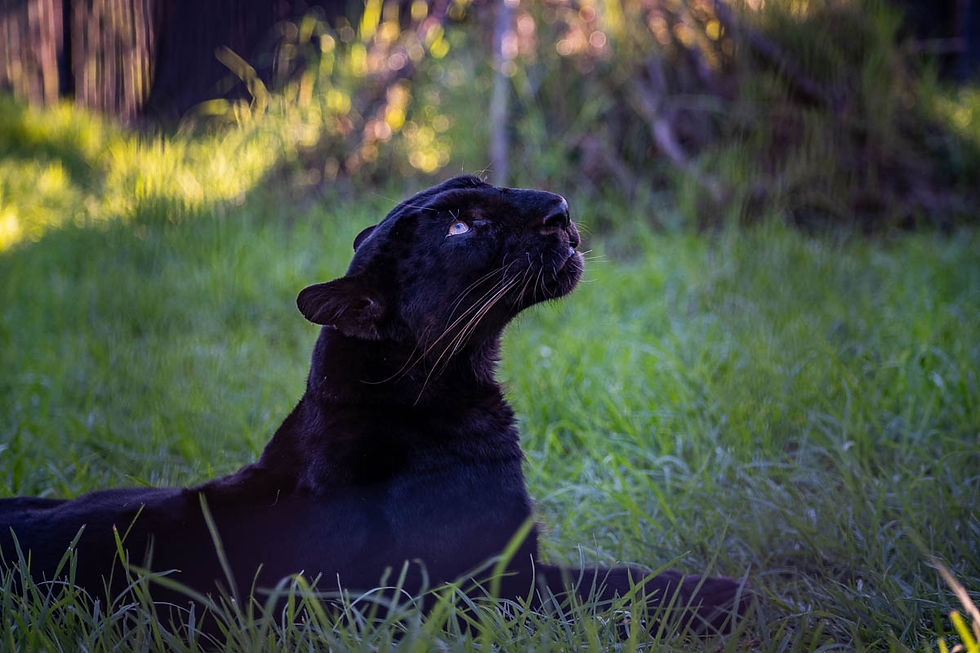
Panthera, the male, is a melanistic leopard, often referred to as a black leopard. Although his coat appears almost entirely black, the characteristic rosette pattern of a leopard remains visible under certain lighting conditions.
Today, Panthera and Mischief serve as ambassadors for their species, helping visitors and volunteers gain a greater appreciation of one of Africa's most elusive predators whilst receiving the care they require throughout their lives.


Abby
Abby is a female cheetah of approximately fifteen years of age and is related to Libby. Like her sister, she originated from a captive breeding facility.
In 2016, Abby became pregnant with five cubs. Complications during labour required a caesarean section to deliver the litter. As a result of this intervention, releasing her into the wild would pose significant risks to both her and any future cubs.
Ashia has therefore provided Abby with a permanent home at the centre. Known for her gentle nature, Abby is often one of the first cheetahs to greet familiar faces and can frequently be heard purring when members of the animal care team approach her enclosure.

Libby
Libby arrived at Ashia Cheetah Centre in 2017.
Born with a cleft palate, she was separated from her mother at an early age and underwent five surgeries that ultimately enabled her to eat a normal diet. Today, she enjoys a good quality of life and is one of the centre's permanent residents.
Libby is approximately eleven years old and shares the same mother as Abby.

Pablo and Carlos
Only a couple of weeks old and very sick, the two brothers Pablo and Carlos arrived as an emergency rescue at Ashia mid-2018. They originated from a breeding facility that was no longer able to care for them.
The intention was for both cheetahs to get back to health and eventually enter Ashia’s wilding programme. However, as they matured, they were diagnosed with strabismus, an eye condition that affects their vision and would significantly compromise their ability to hunt successfully in the wild. This condition could be attributed to poor genetic health due to inbreeding but that must remain an assumption as Ashia never worked with this facility.
Because this condition is hereditary, and because it would reduce their chances of survival after release, Pablo and Carlos were deemed unsuitable candidates for rewilding.
Ashia has therefore provided the two brothers with a permanent home at the centre, where they remain inseparable companions.

Temporary Residents
Not all animals present at Ashia are permanent residents. From time to time, the centre also provides temporary accommodation for animals requiring rehabilitation after injuries, short-term care, or relocation support.
Gabriel and Pardus
Among the temporary residents are Gabriel and Pardus, two leopards from Panthera Africa.
Following the wildfire that devastated the Panthera Africa facility in January 2026, both leopards were relocated to Ashia whilst reconstruction work is being completed. Their stay is temporary, and they will return to Panthera Africa once the centre is fully operational again.
Relocation can be challenging for large carnivores, particularly when they are required to adapt to a new environment and unfamiliar surroundings. This has been especially true for Pardus. The Ashia team closely monitors both animals and makes every effort to ensure their welfare and comfort throughout their stay.

Orphaned Cubs
Since a couple of years, Ashia has recurrently become a temporary home for orphaned cheetah cubs awaiting the next stage of their journey.
Currently, 9 cheetah cubs of similar age, orphaned on various game reserves, are prepared at Ashia for their eventual wilding & release:
Charlie
Charlie was approximately eight months old in May 2026 and originates from Lapalala Wilderness.
He was the sole surviving cub of his litter after his mother sustained severe injuries during a hunting incident. Her injuries were considered untreatable and would have prevented her from hunting successfully, leading to the difficult decision to euthanise her.

Freddie
Freddie originates from Kwandwe Private Game Reserve. He is the only survivor of a family group that was likely killed by a lion. Shortly after arriving at Ashia, Freddie bonded with Charlie, and the two young males quickly became close companions.


Uma, Nia, and Qwabi
Uma and Nia, approximately eleven months old, originate from the Thabazimbi region. They were found alone on a farm before being transferred to Ashia.
At the centre, they quickly bonded with Qwabi, another female cheetah of a similar age. Qwabi had been separated from her mother after she crossed the boundary fence of the reserve from which she originated.
Together, the three females now form a closely associated group.

The Amakhala Cubs
A group of four cubs, approximately twelve months old, arrived from Amakhala Game Reserve.
Their mother suffered severe injuries during a hunting incident and, like Charlie's mother, had to be euthanised. The cubs were subsequently transferred to Ashia, where they continue their development under the care of the conservation team. If all goes to plan, they will return to Amakhala around July/August 2026 to finish their wilding phase on a separate predator-free part of the reserve.

Learning Through Observation
One of the most rewarding aspects of volunteering at Ashia is the opportunity to observe these animals over extended periods of time.
Each cub arrives with a different history and responds differently to its new environment. Watching them adapt, form social bonds, develop confidence, and progress through the rehabilitation process provides valuable insight into cheetah behaviour and the challenges involved in preparing orphaned cubs for the future.
The Setting
Ashia Cheetah Centre is situated near Paarl, approximately one hour from Cape Town, surrounded by mountains, vineyards, and farmland.
The location offers a peaceful environment and serves as a convenient base from which to explore the wider region during days off.
Volunteers stay in a fully furnished and well-equipped house that provides all the facilities needed for a comfortable stay. Shared living spaces encourage interaction between volunteers, whilst the outdoor areas offer an opportunity to relax and enjoy the surroundings after a day at the centre.
The combination of the natural setting, the accommodation, and the proximity to Cape Town contributes to an enjoyable volunteering experience both on and off site.


How You Can Support Ashia
There are several ways to support Ashia's conservation work and contribute to the future of cheetahs in Southern Africa.
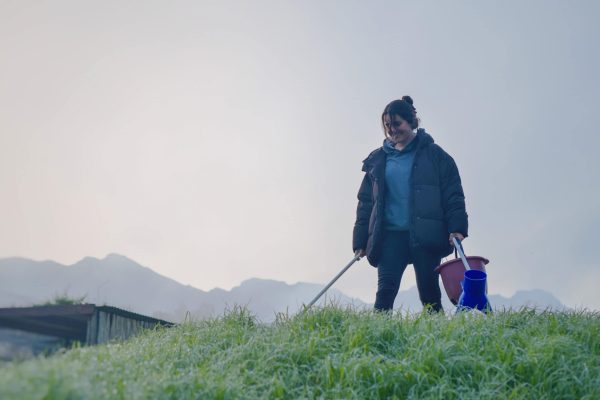
Volunteer or Join a Working Holiday
The most immersive way to support the organisation is to experience it first-hand.
Whether through a volunteer placement or a working holiday, spending time at the centre provides a unique opportunity to learn about cheetah conservation, contribute to daily operations, and gain a deeper understanding of the challenges facing the species.
Learn More About the Initiative
Discover more about Ashia's conservation programmes, research projects, and (re)wilding efforts.

Or read the one-pager about their actions.
Follow Ashia's Journey
Follow Ashia Cheetah Conservation on social media to stay informed about rescues, releases, research projects, and the animals currently in their care (Facebook, Instagram, Youtube).
Visit the Centre
Public tours are available on Wednesdays, Saturdays, and Sundays and offer an opportunity to learn more about the organisation's work and resident animals.
Advance booking is required.
Support Through Your Purchase
Purchasing a souvenir from the centre is another simple way to contribute to Ashia's conservation activities and support the care of the animals entrusted to the organisation.


Comments